Cloud latency and regions: the geography of streaming
Two readers with identical hardware can have opposite experiences with the same streaming service, because the deciding factor is not the hardware but the route to a nearby data centre.
Why distance dominates
Every message on a network takes time to travel, and the time grows with distance. A frame that must cross a continent and back arrives later than one that crosses a city. Because the whole loop repeats many times per second, that delay is felt directly: inputs register late, and the correspondence between a button and its on-screen result loosens.
Distance is not the only contributor. Every device on the route adds a small delay, and a congested path adds more. That is why two connections of equal advertised capacity can behave very differently, and why stability deserves more attention than the headline figure.
What a region actually is
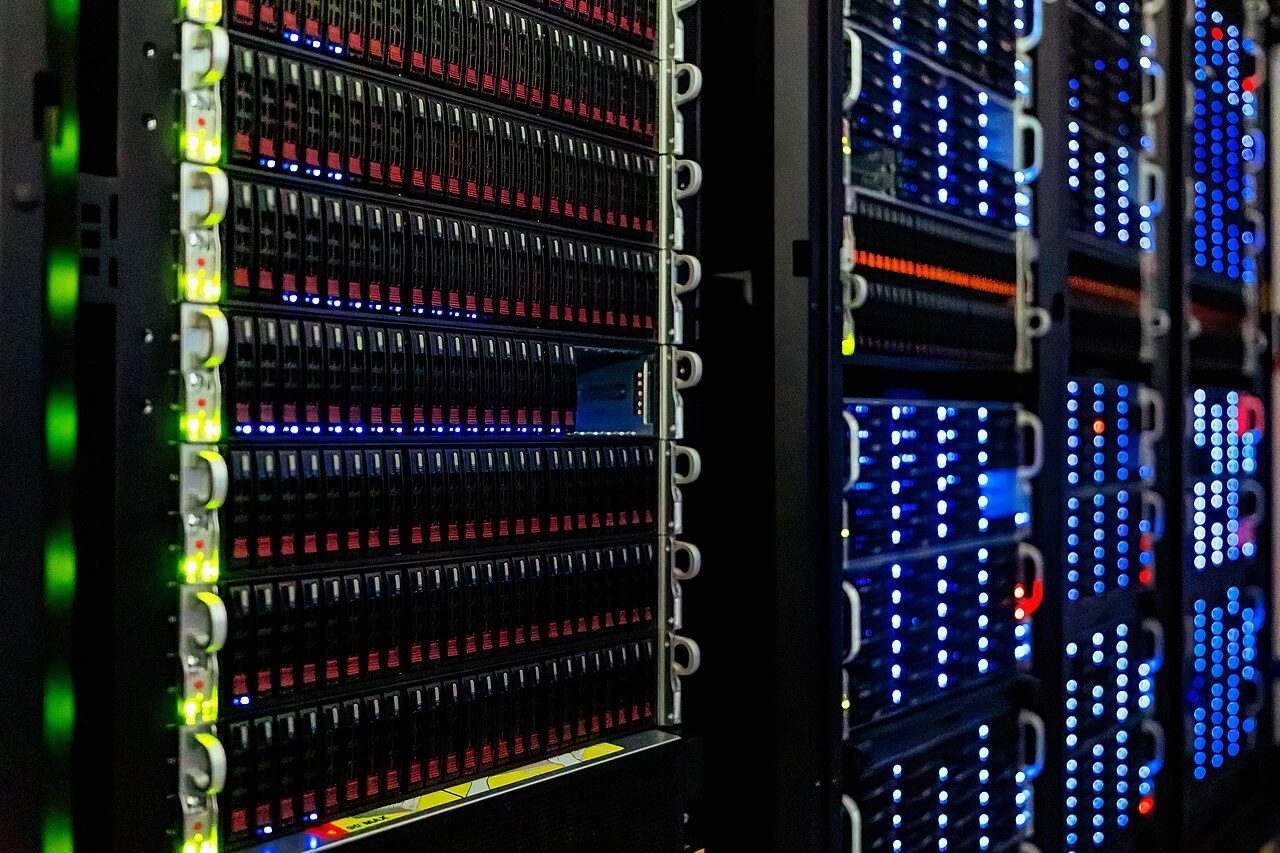
A region is a cluster of machines in one physical place. Providers place regions near large populations, so the experience is best in and around major cities and weaker in remote areas. When you choose a region, you are choosing a physical distance, and everything else follows from that choice.
Judging a setup honestly
Three questions settle most cases. First, is there a region within a reasonable distance? If not, the experience will carry a delay that no local change can remove. Second, is the connection steady across a whole evening, not merely fast in a single test? Stability under load is the real measure. Third, does the display and the decoder keep pace? A screen that cannot show the incoming rate smoothly will feel worse regardless of the network.
Where a regional facility helps most
Slower titles tolerate distance well. A turn-based strategy campaign, a management simulation or a narrative adventure can run perfectly well with a delay that a competitive shooter would find uncomfortable. Matching the title to the geography is the essence of a good streaming plan, and it is far more useful than chasing a marginal improvement in a speed figure.
Planning around it
If a nearby region exists and your connection is steady, streaming is a reasonable way to reach a large library without large local storage. If no nearby region exists, a local library remains the more reliable choice, and the reduction methods described earlier become the more relevant tool. Either way, the decision follows from geography and stability rather than from marketing language.